Get Storm Damage Roof Tarping in Fayetteville, NC
Storm damage roof tarping services for Fayetteville, NC help property owners protect their homes from further water damage after storms by providing temporary roof coverings through experienced local contractors.
Storm damage roof tarping services are an important resource for property owners in Fayetteville, NC, seeking to protect their homes after severe weather events. When storms cause damage to roofing materials, temporary tarps can help prevent further issues such as water intrusion, structural deterioration, or interior damage. Exploring local contractors who specialize in roof tarping ensures that property owners can find experienced service providers familiar with the specific challenges posed by weather conditions common to the Fayetteville area.
Property owners considering storm damage roof tarping often do so as part of a broader project to maintain or restore their properties. Comparing local options allows for an understanding of the services available and helps identify experienced contractors who can handle the job effectively. Continuing to read can provide insight into the practical aspects of roof tarping, helping property owners make informed decisions about protecting their homes during unpredictable weather conditions.
- Storm Damage Roof Tarping - needed when a severe storm causes roof damage and temporary protection is required to prevent further issues.
- Emergency Roof Tarping - necessary after unexpected weather events that leave a roof vulnerable to leaks and water intrusion.
- Hurricane or Wind Damage Tarping - essential following high winds or hurricanes that compromise roof integrity in neighborhoods around Fayetteville.
- Post-Storm Roof Repairs - needed to safeguard homes in flood-prone areas after heavy rainfall or storm surges.
- Roof Leak Prevention Tarping - recommended when minor damage is present and homeowners want to prevent leaks until permanent repairs are made.
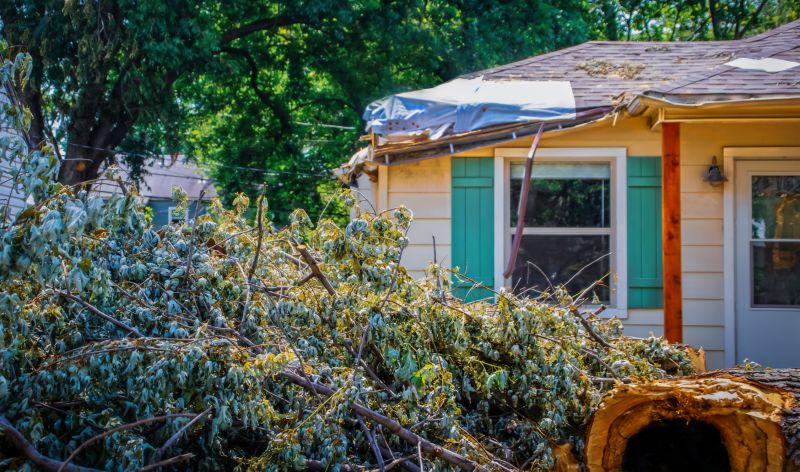
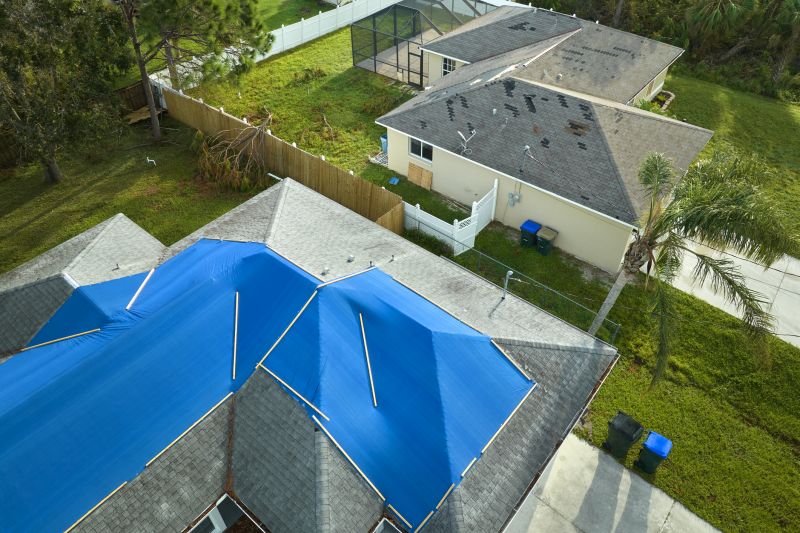
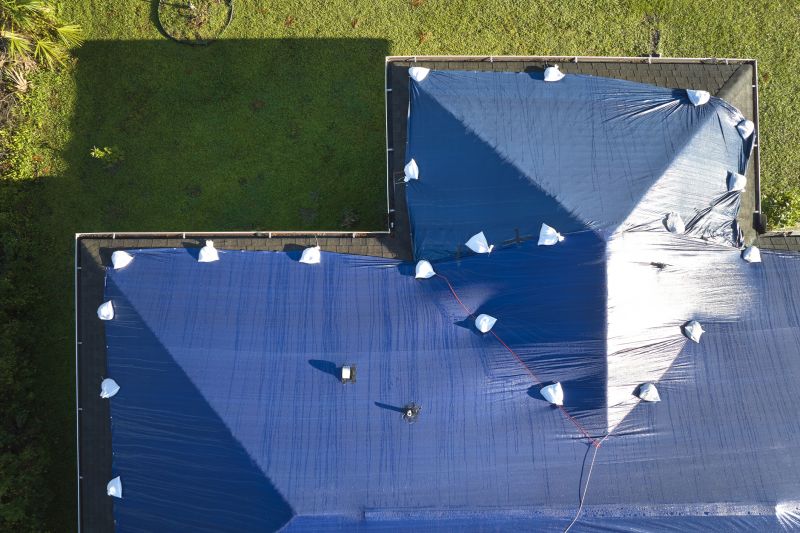
Storm damage roof tarping services involve quickly covering a damaged roof to protect the underlying structure from further harm. When severe weather such as high winds, hail, or heavy rain causes roof shingles or other materials to become dislodged or broken, a tarp can be applied to seal the opening temporarily. This prevents water from seeping into the attic, walls, and interior of the property, helping to minimize additional damage until permanent repairs can be made. Professional contractors equipped with the right materials and techniques can efficiently install these tarps, ensuring that the property remains safeguarded during the storm recovery process.
These services are essential in addressing problems caused by unexpected weather events. A fallen tree limb, a sudden storm, or hail damage can leave a roof vulnerable and expose the home or business to leaks and structural deterioration. Without immediate protection, water intrusion can lead to mold growth, compromised insulation, and even interior damage. Storm damage roof tarping provides a practical solution that offers peace of mind, especially when repairs need to be scheduled or insurance claims are in progress. It is a temporary but crucial step in maintaining the integrity of a property after storm-related incidents.
Many types of properties in Fayetteville, NC, and surrounding areas can benefit from storm damage roof tarping services. Residential homes, especially those with older or compromised roofs, are common candidates for quick protection after storm damage. Commercial buildings, such as retail stores, warehouses, and office complexes, may also require tarping to prevent business interruptions and protect valuable assets. Additionally, multi-family complexes and rental properties often need prompt intervention to secure multiple units. Regardless of property size or type, local contractors are available to assess the damage and provide the necessary temporary coverage to help property owners weather the storm.
When storm damage occurs, homeowners and property managers should consider professional roof tarping services as an immediate step to prevent further issues. These services help solve problems related to leaks, water intrusion, and structural exposure caused by storm-related damage. By quickly applying a tarp, property owners can avoid costly repairs and reduce the risk of secondary damage that can develop if the roof remains unprotected. Local contractors experienced in storm damage response are equipped to handle a variety of property types, ensuring that each property receives the appropriate temporary protection to maintain safety and stability until permanent repairs can be completed.
The overview below groups typical Storm Damage Roof Tarping projects into broad ranges so you can see how smaller, mid-sized, and larger jobs often compare in Fayetteville, NC.
In many markets, a large share of routine jobs stays in the lower and middle ranges, while only a smaller percentage of projects moves into the highest bands when the work is more complex or site conditions are harder than average.
Smaller Repairs - For minor storm damage tarpings, local contractors typically charge between $250 and $600. Many routine jobs fall within this range, especially for quick fixes on small areas or minor leaks.
Medium-Sized Projects - Larger, more complex tarpings for moderate storm damage usually cost between $600 and $1,200. These projects often involve covering larger roof sections or multiple damaged spots.
Major Repairs - Extensive storm damage tarpings, such as covering significant roof sections or multiple levels, can range from $1,200 to $3,000. Fewer projects reach this tier, but they are common after severe weather events.
Full Roof Tarping or Replacement - Complete roof tarpings or full replacements due to storm damage can cost $3,000 and above, with larger, more complex projects potentially exceeding $5,000. These are typically reserved for extensive damage or high-value properties.
Actual totals will depend on details like access to the work area, the scope of the project, and the materials selected, so use these as general starting points rather than exact figures.
Emergency roof repairs - local contractors often perform urgent repairs after storm damage, requiring similar planning and safety precautions as roof tarping.
Roof leak repairs - fixing leaks involves identifying damage and applying protective coverings, sharing skills with storm damage tarp installation.
Debris removal services - clearing fallen branches and debris from roofs and yards is a common step before tarping or repairs after storms.
Roof inspection and assessment - evaluating storm damage to determine the extent of repairs needed aligns with the assessment process for tarp installation.
Temporary roof coverings for construction - installing protective sheeting during renovations or repairs requires similar techniques and safety measures as storm tarp services.
Storm damage cleanup services - debris removal and site preparation for storm-affected properties often involve skills used in roof tarping projects.
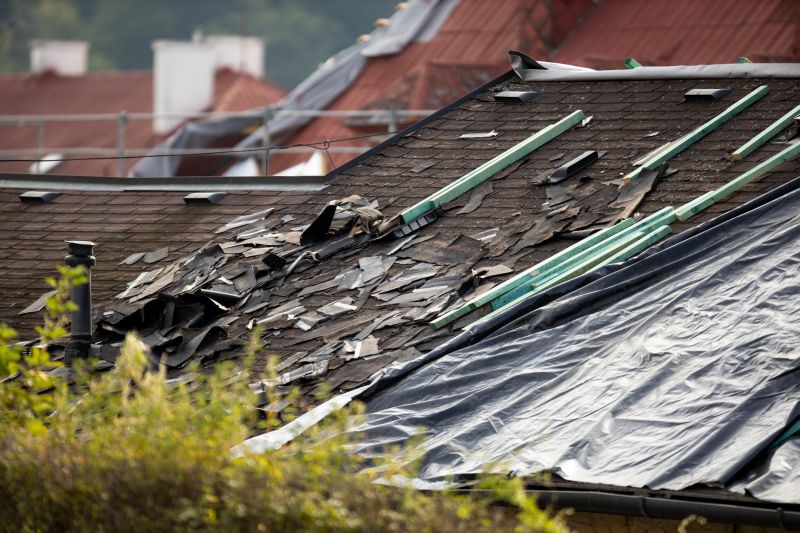
When comparing contractors for storm damage roof tarping services in Fayetteville, NC, it’s important to evaluate their experience with similar projects. Homeowners should look for service providers who have a track record of handling storm-related roof repairs and tarping, as this indicates familiarity with the unique challenges that such weather events can present. An experienced contractor will understand the best practices for quickly and effectively securing a roof to prevent further damage, ensuring the job is done properly the first time.
Clear written expectations are essential when choosing a local contractor for storm damage tarping. Homeowners should seek providers who can offer detailed descriptions of the scope of work, materials used, and the process involved. Having this information in writing helps to establish a mutual understanding and provides a reference point throughout the project. It also reduces the risk of misunderstandings or surprises, making the repair process smoother and more transparent.
Reputable references and strong communication are key indicators of a trustworthy service provider. Homeowners are encouraged to ask for references or reviews from previous clients who experienced similar storm-related damage repairs. Good communication throughout the process - including prompt responses to questions and clear updates - can make the experience less stressful. It’s important to remember that this site functions as a resource to connect homeowners with qualified local contractors, but the work itself is performed by the service providers who are best suited to handle storm damage roof tarping in Fayetteville and nearby areas.
Property owners in Fayetteville, NC use Storm Damage Roof Tarping services for practical projects around their homes and businesses. This guide focuses on everyday jobs and straightforward project options.
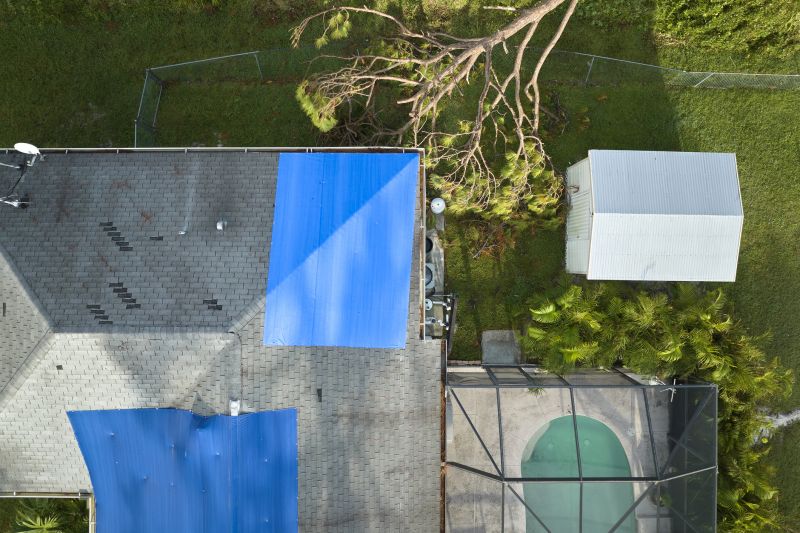
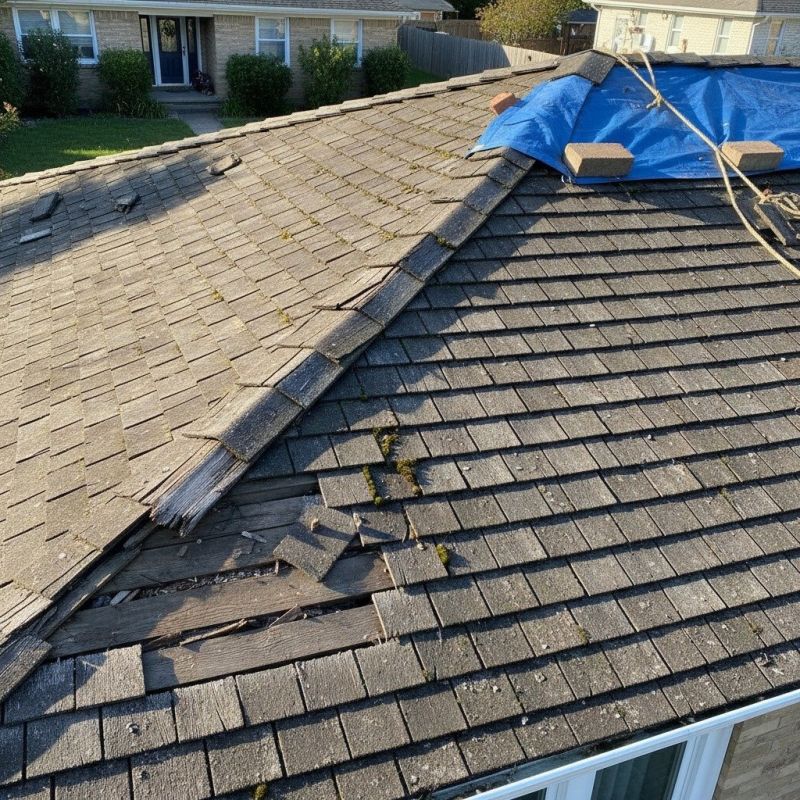
Storm damage roof tarping services are often needed after severe weather events such as heavy rain, strong winds, or hailstorms that can cause roof leaks or visible damage. Property owners in Fayetteville, NC may seek these services to quickly cover exposed areas of their roofs, preventing further water intrusion and protecting the interior of their homes or businesses. Local contractors can provide temporary solutions to safeguard properties until more permanent repairs can be scheduled, helping to reduce potential damage and avoid costly repairs down the line.
In addition, unexpected roof damage from fallen tree limbs or debris during storms can leave property owners vulnerable to additional weather-related issues. When a roof is compromised, a temporary tarping solution can be an essential step to keep the property protected. Fayetteville residents looking for reliable support can find local service providers experienced in handling these urgent situations, ensuring that their property is shielded from the elements until comprehensive repairs are completed.
What is storm damage roof tarping? Storm damage roof tarping involves covering a damaged roof area with a protective tarp to prevent further water intrusion and structural deterioration following a storm in Fayetteville, NC.
When should I consider roof tarping after storm damage? Roof tarping is recommended as an immediate temporary solution after a storm has caused visible damage or leaks, helping to protect the property until permanent repairs can be made by local contractors.
How do local contractors install storm damage roof tarps? Professionals typically secure the tarp over the affected roof section using fasteners and weights to ensure it stays in place, providing a barrier against weather elements in Fayetteville and nearby areas.
Can roof tarping prevent further damage? Yes, properly installed tarps can help prevent additional water intrusion, mold growth, and structural issues until permanent repairs are completed by local service providers.
What types of storm damage are suitable for roof tarping? Roof tarping is suitable for damage such as missing shingles, punctures, tears, or holes caused by storms, hail, or wind in Fayetteville, NC, and surrounding regions.
Emergency Storm Response - Property owners can quickly secure their roofs after a storm to prevent further damage until permanent repairs are possible.
Temporary Weather Protection - Installing a roof tarp helps shield a home or business from rain, wind, and debris during severe weather events.
Post-Storm Damage Prevention - Using tarping services can minimize water intrusion and structural issues caused by storm-related roof damage.
Insurance Claim Support - Roof tarping services assist in documenting storm damage and providing immediate coverage while insurance claims are processed.
If you are thinking about Storm Damage Roof Tarping for a property in Fayetteville, NC, this guide is meant to help you understand the work, the typical project types, and how different options might fit your plans.
When you are ready, you can use the quote form on this page to share a few details about your project. From there, local pros can review the basics and respond with options that match what you have in mind.